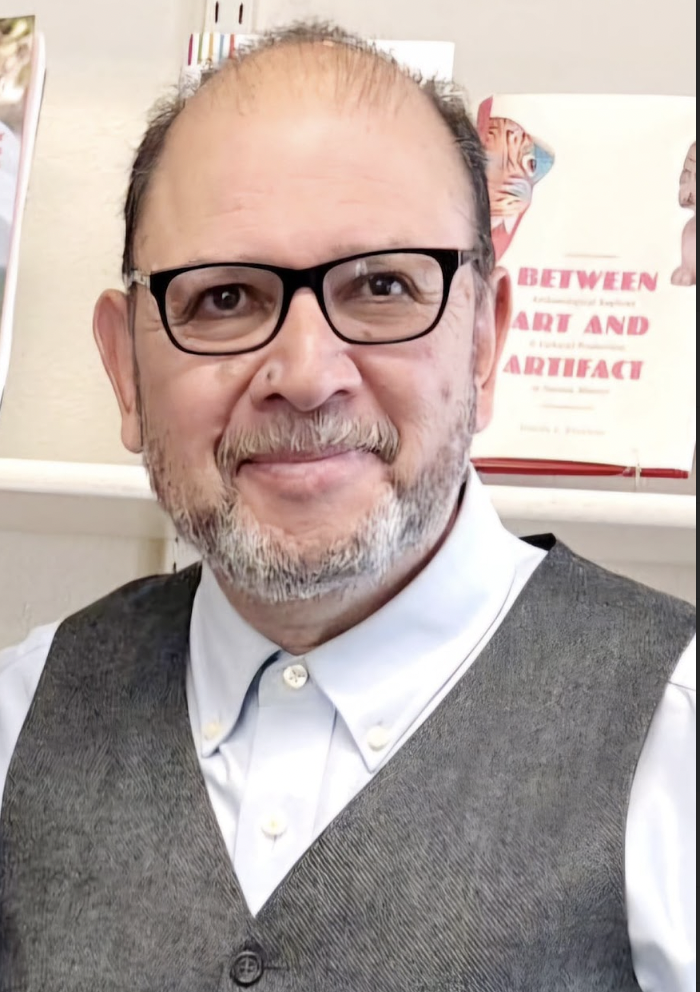
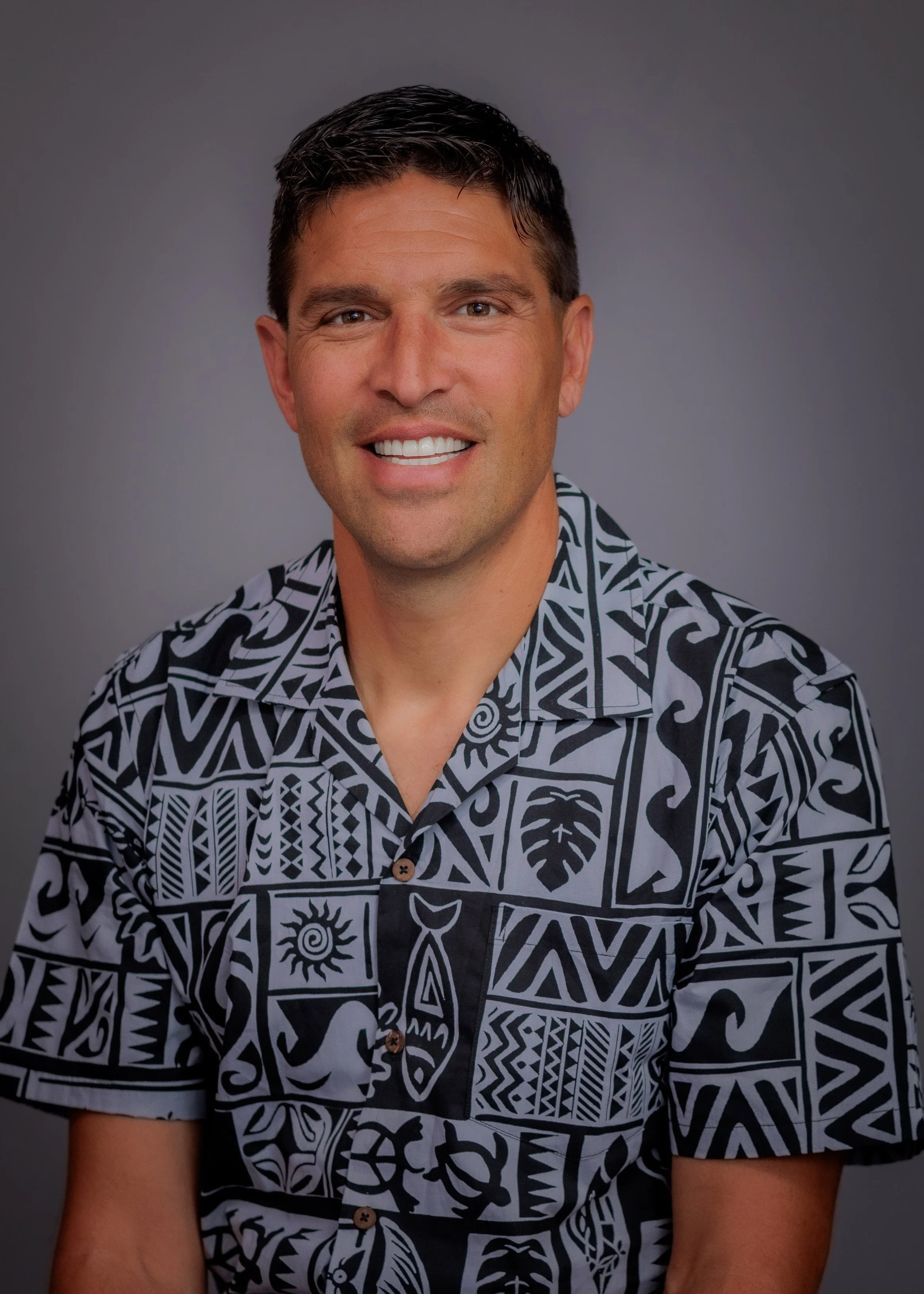
Jon Ghahate
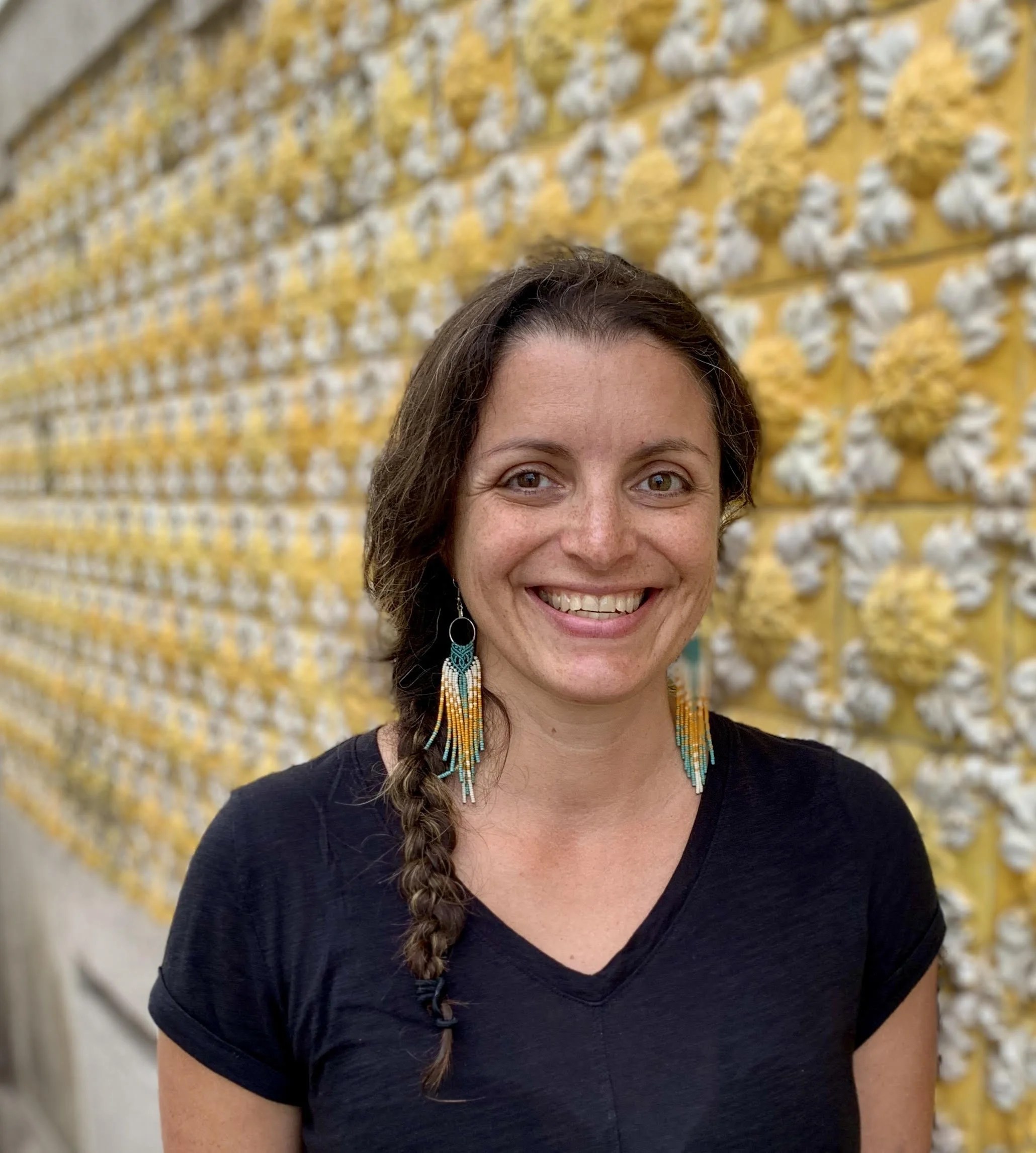
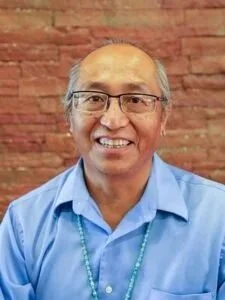
Jon Ghahate is from the Pueblos of Laguna and Zuni, and a member of the Turkey and Badger Clans. As an Educator at Crow Canyon, Jon works with students to develop accurate, credible, and respectful narratives of Southwest cultures.
His diverse professional background includes: a health care practitioner, a public middle school and high school math and science educator, an athletic coach for the public school system, a journalist for a national radio talk program, and a community volunteer for a variety of community conscious organizations. Most recently, Jon served as the Museum Cultural Educator at the Indian Pueblo Cultural Center in Albuquerque, NM. A Vietnam era veteran, Jon received a number of community, military service related, and professional commendations. He was also fellow of the Kellogg National Leadership Foundation Program. He is a lifelong resident of New Mexico and his tribal nations and a father to two children.
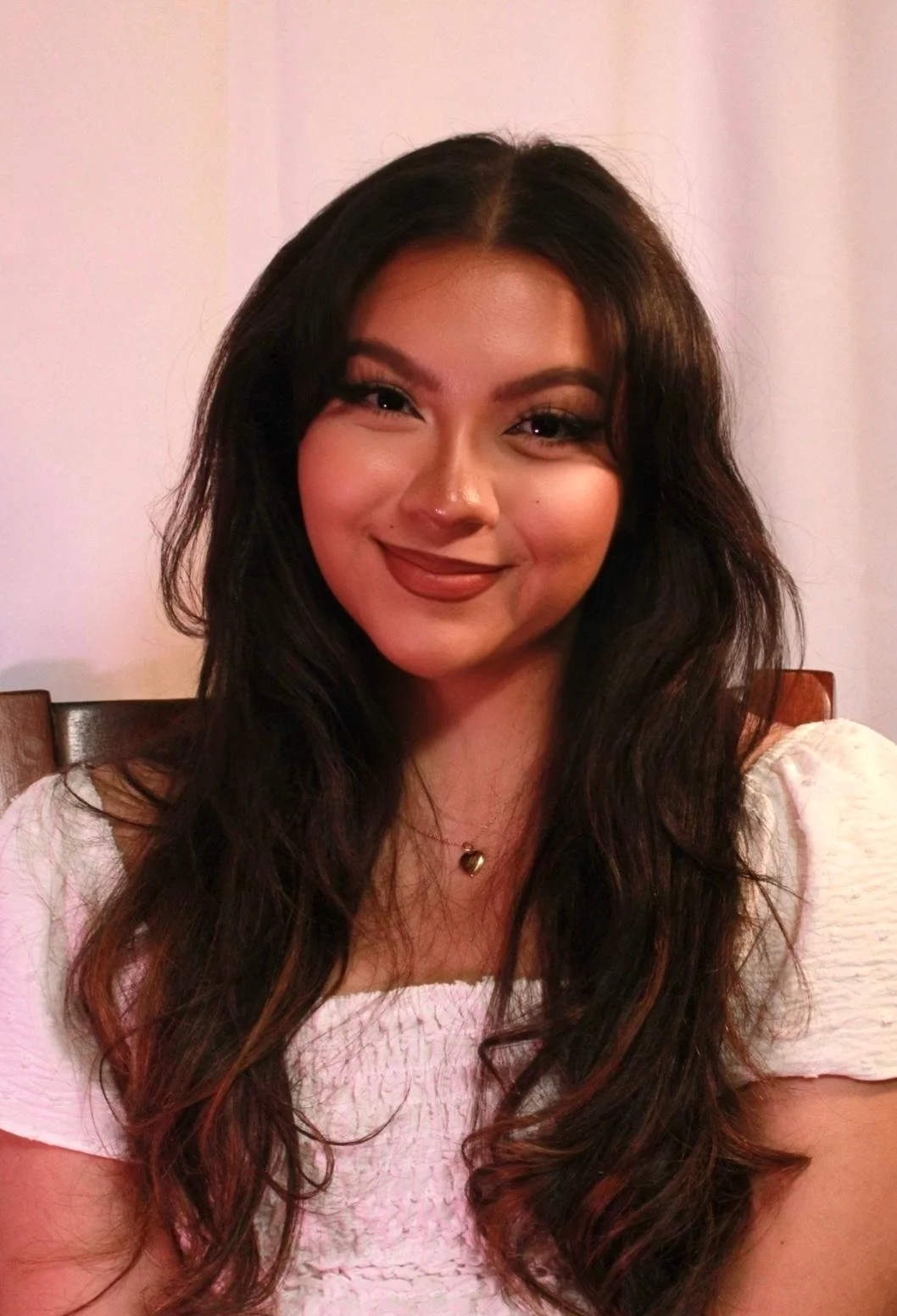
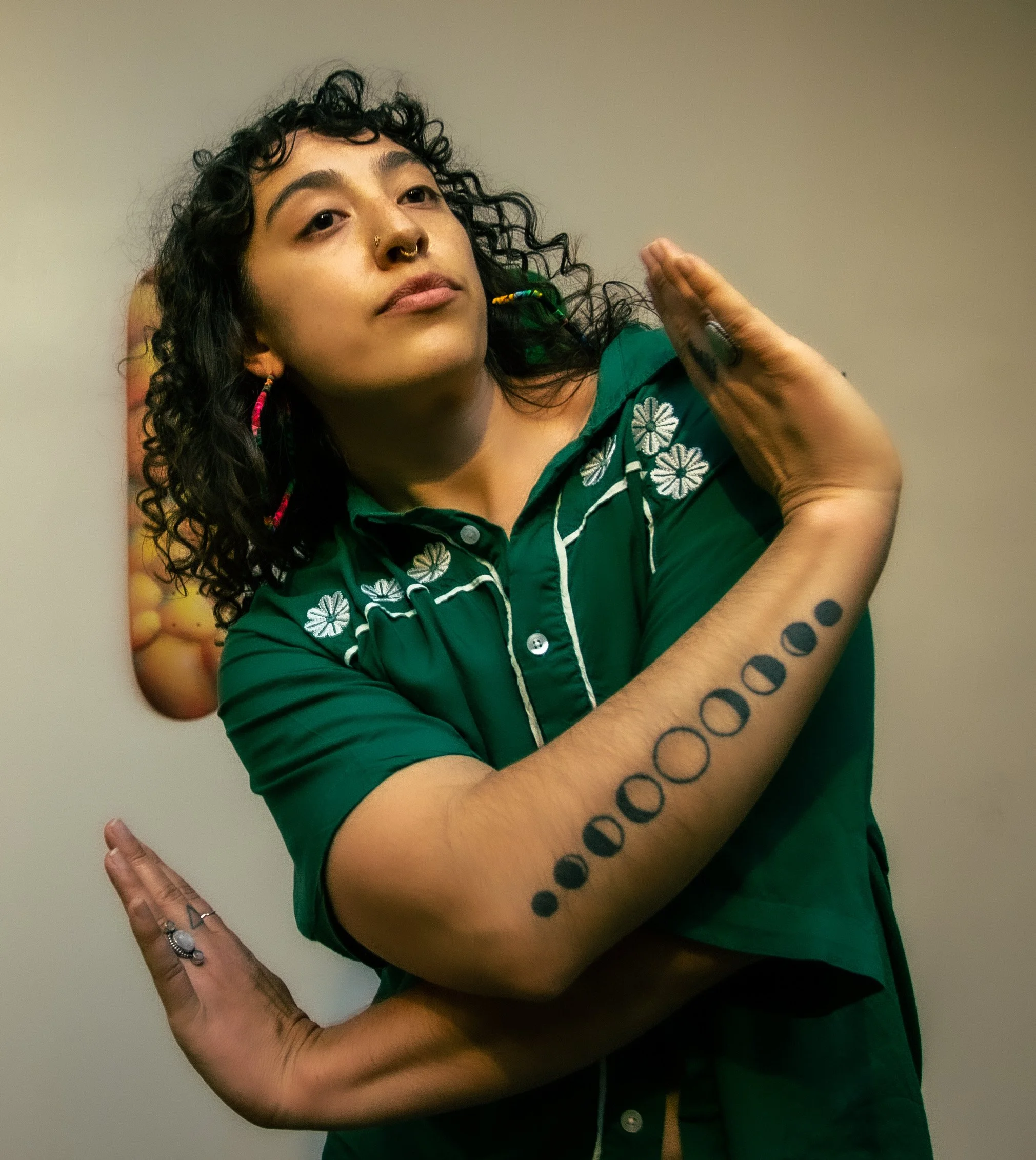
Mia-Danielle Ceballos
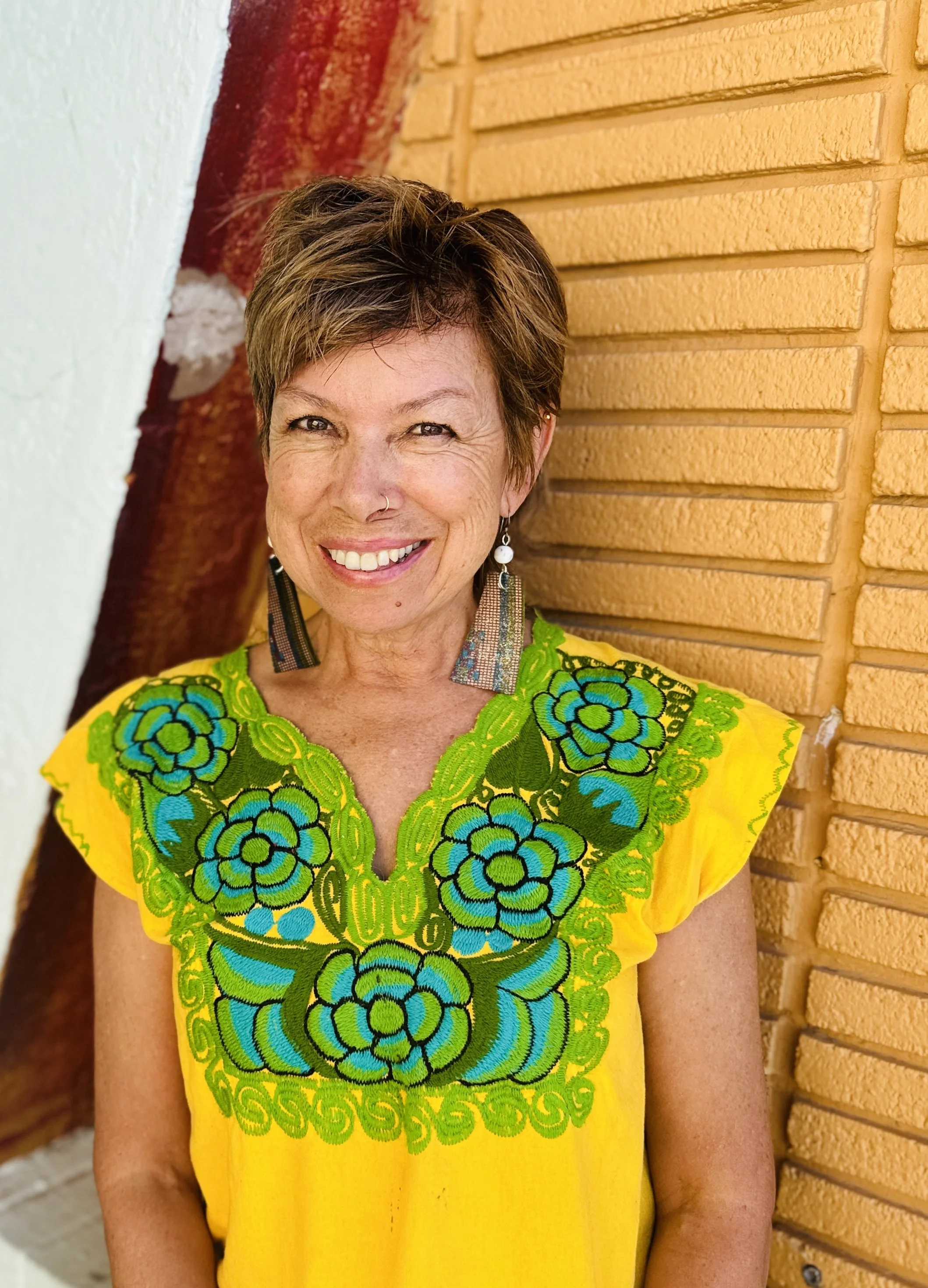
Mia-Danielle Ceballos is a Latina actress from El Paso, Texas, whose work is rooted in a deep commitment to telling Latinx stories with honesty, nuance, and heart. She recently earned her BFA in Theatre with a concentration in Acting from the University of New Mexico, graduating in Spring 2026. Drawn to narratives that explore identity, culture, and generational memory, Mia-Danielle approaches her work with both sensitivity and curiosity.
Her favorite roles include Maria in Shakespeare’s Twelfth Night, directed by Kate Clarke, and her performance in the student fi lm Our Shadow, directed by Gabriella Marez, which examines generational trauma within Hispanic families.
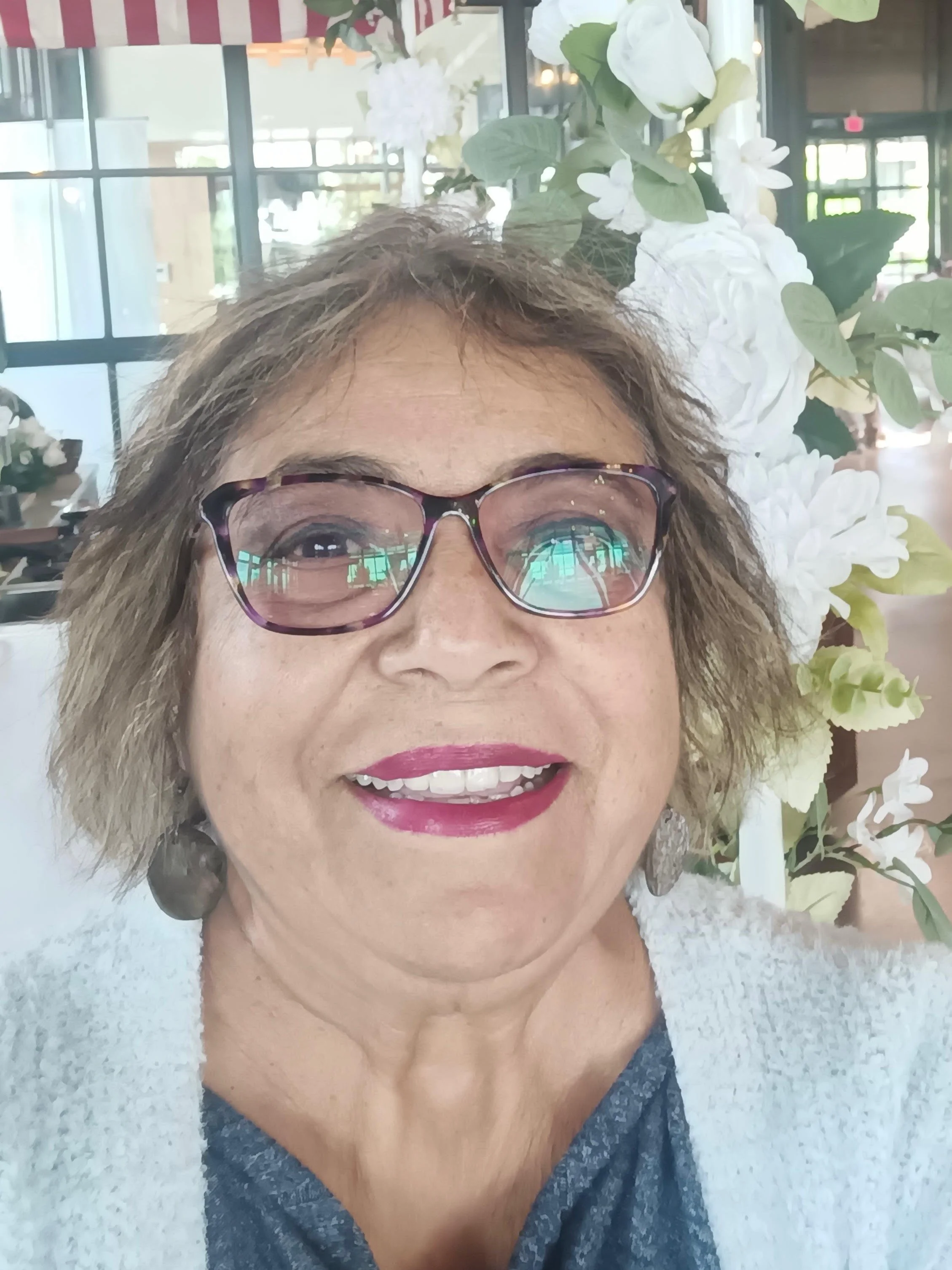
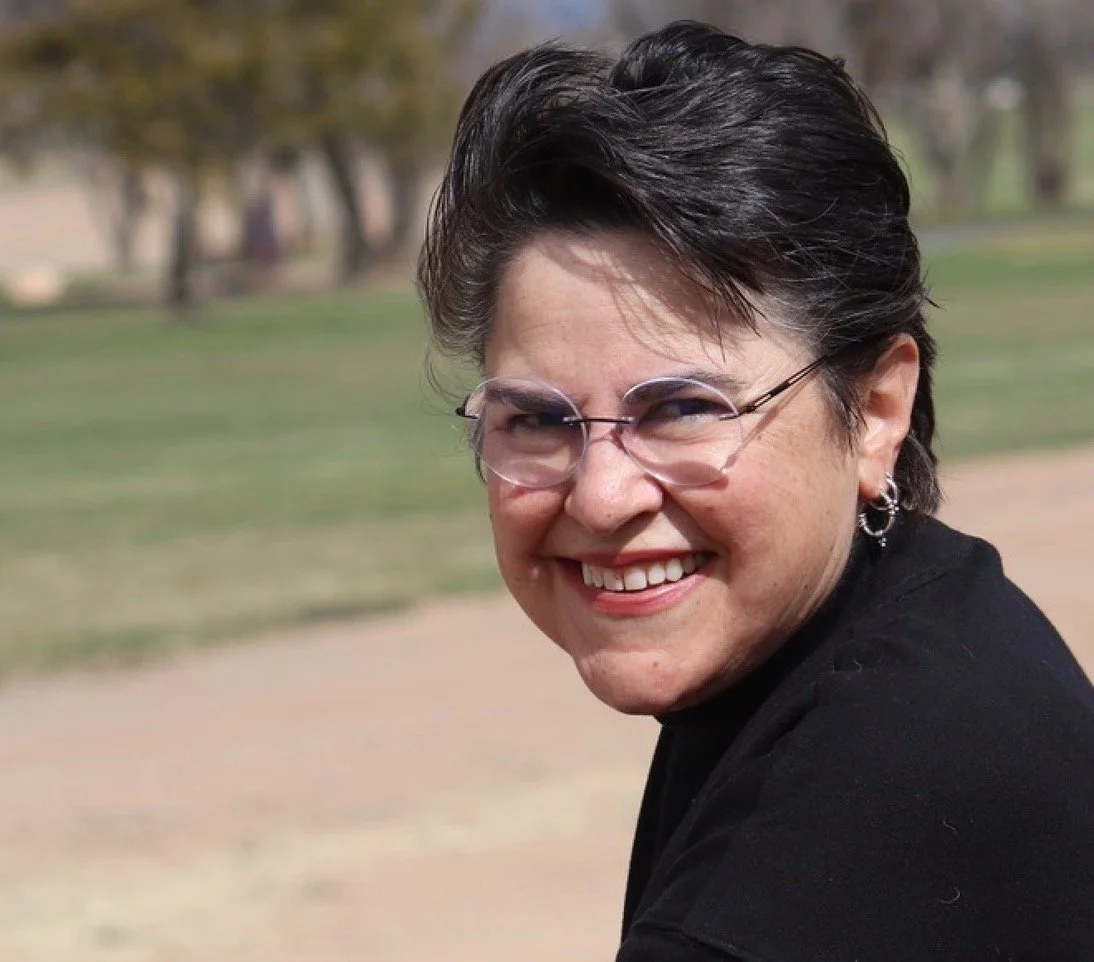
María Eugenia Trillo, Ph.D
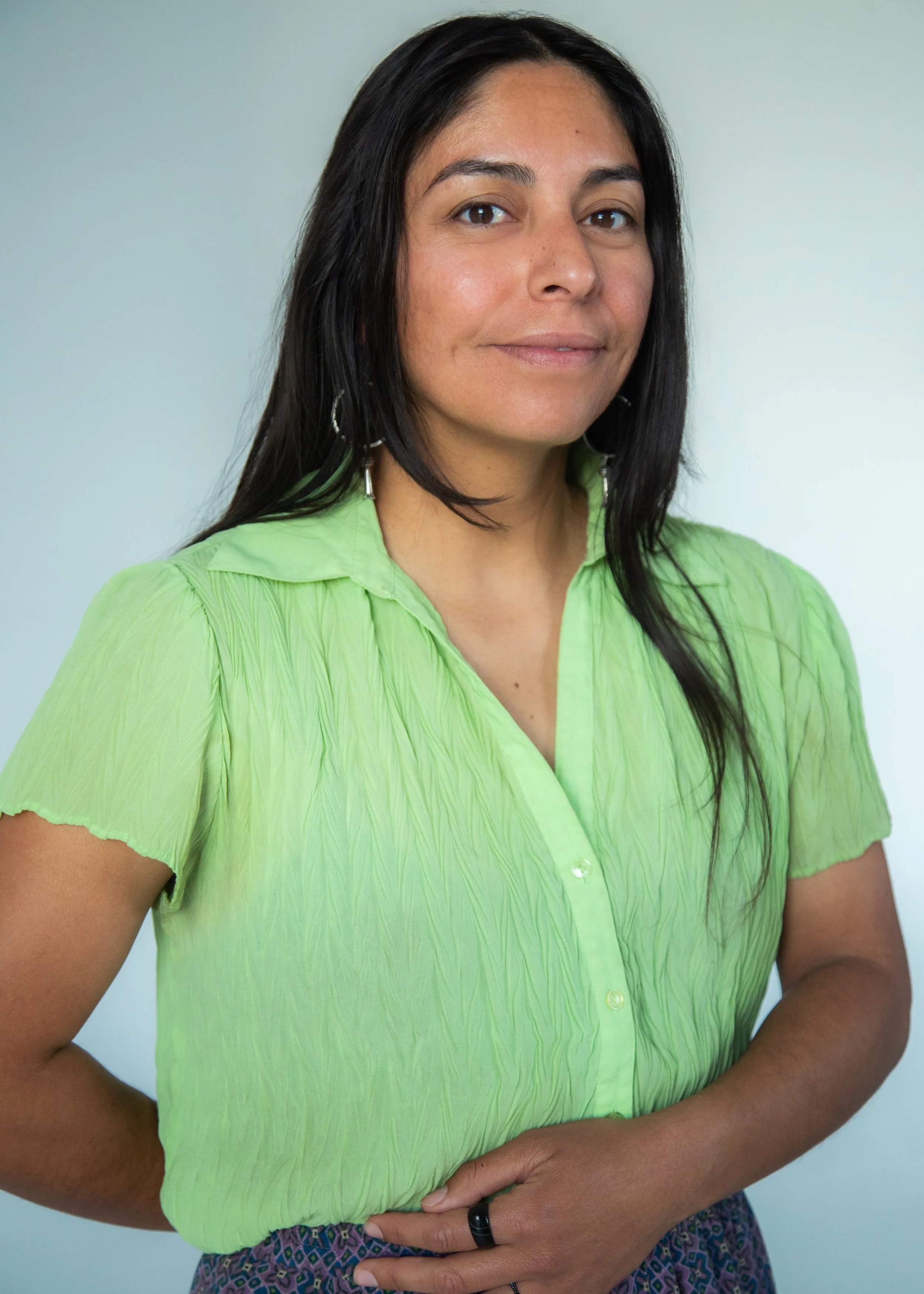
I was born in El Paso, Texas. After I graduated from Bowie High School, I graduated with a BA/licenciatura from the Universidad de las Américas in Puebla, Mexico. I completed my MA at the University of Toronto and a doctorate in Spanish Linguistics from the University of New Mexico.
[My first-born daughter graduated with honors in International Development from the University of Winnipeg, in Manitoba, Canada. She also graduated with a BFA, with honors from UNM. My youngest daughter graduated with honors in Childhood Education from UNM.]
I taught Spanish, Linguistics, Chicano Studies, and Women Studies at various universities. I taught at the University of Manitoba, Northern Arizona University, Texas Woman’s University and Western New Mexico University, where I was a tenured Associate Professor.
Currently, I am a licensed and certified high school teacher at Albuquerque Talent Development Academy, a charter school in the South Valley. I have taught high school in New Mexican charter schools for the past 11 years.
I am just as passionate about teaching as I am about doing genealogical research on my family tree. It is this research that has placed me here before you.
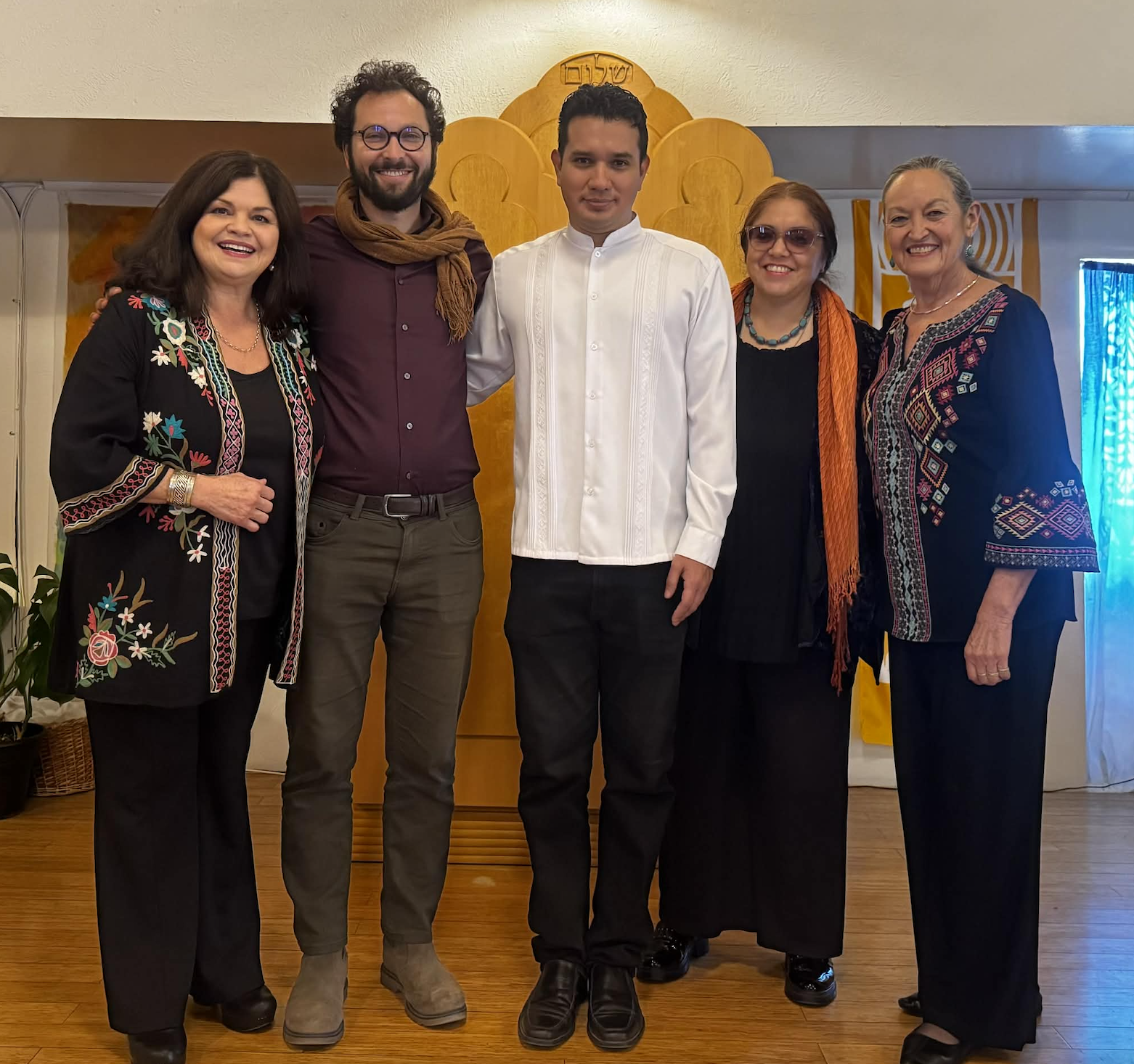
The Sephardic Borderlands Ensemble
(Carol Vigil and Leila Flores-Dueñas of Las Flores del Valle) have been making music together for 25 years for special projects supported by arts institutions such as the Smithsonian Institute, the Mellon Foundation, the University of New Mexico Center for Regional Studies, and various museums including the Gene Autry Theatre in Los Angeles, the National Hispanic Cultural Center in Albuquerque, New Mexico, and the Museum of International Folk Art (MOIFA) in Santa Fe. Las Flores del Valle enjoy researching, performing, and preserving oral traditions from their families and communities, that have formed part of our rich cultural heritage in the US/Mexico Borderlands on topics related to women’s roles in Borderland Music, Corridos of the Southwest, Soldaderas/Combatientes of the Mexican Revolution, Día de Muertos celebrations, and more recently, songs of the Sephardic Ladino Judeo Diaspora. They have also performed for international conferences in Spain and Mexico, Chicana and Chicano Studies, and Women’s Studies in universities. Whether they are singing for large audiences, civic organizations, or private guests, they are sure to deliver smooth harmonies and thoughtful tunes with a little history, passion, and heartfelt joy.
Their performance this year “Threads of Exile: Weaving Sephardic Song” - is about Sephardic songs carried across centuries resonate in the borderlands of New Mexico, echoing the sounds once heard in the Juderías of Andalucía while finding new life in the musical traditions of Mexico and the Southwest. Through women’s voices, storytelling, and art music, these kantikas trace histories of exile, migration, and cultural exchange, reflecting the layered identities of Indigenous, Hispano, Sephardic, and diasporic communities. Rooted in convivencia, this program weaves together past and present—honoring tradition while reimagining it within the living cultural fabric of the borderlands.
Héctor Contreras López
Héctor Contreras López (MA Spanish American Literature, NM State University) is a free-lance translator, writer and educator whose main area of study is Latin American Jewish authors. He has published several volumes of award winning poetry, and is currently the librarian of the Sefardic Learning Center book collection.
Janelle Worthington Cardenas
Born in Colorado and raised in New Mexico and Northern California, I descend from Southwest Indigenous, Iberian, Sephardic, and Northwestern European lineages. The many artists, musicians, and healers of these lineages are my inspiration, as my work aims to inspire a different perspective to the seemingly ordinary, and a deeper listening to what it can reveal to us. My current mediums of choice are: photography, painting (acrylic, watercolor, natural pigments), and micaceous sculpture/ pottery.
Artist Statement
Creating art has been an integral part of my journey and trauma healing. As I found myself led back here to Northern Nuevo Mexico - to the places of my maternal ancestors - I try to capture the magic and healing I have experienced. Working with micaceous clay and adobe the past couple years has been incredibly grounding and is yet another way to reconnect with the earth. I strongly believe that various art forms will find you when you need them most, if you are quiet enough to listen and feel.
Evie Vigil
Evie Vigil is a facilitator, cultural worker, and multi-disciplinary artist born and raised on Tewa land in the Middle Rio Grande Valley, also known as Albuquerque, NM. They are a queer mixed descendant of Hispano/Mexican/Sefardic diaspora on their paternal line, and Polish/Scottish/German on their maternal line. They are currently merging their offerings as a published writer, Deep Listening practitioner, and certified Somatic Sex Educator in affinity with the ancestral technologies of their people. With over a decade of experience in co-creating performance art gatherings, festivals, rituals, and skill-share retreats along the collective margins, they are thrilled to be a leading collaborator for Casa Sefarad and The Sefardic Learning Center.
Enrique Lamadrid
Rabbi Lynn Gottlieb
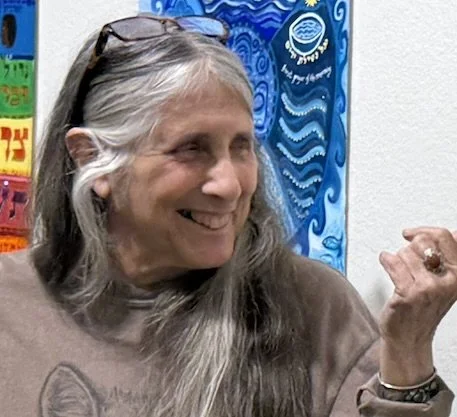
Rabbi Lynn Gottlieb is one of the first ten women to serve as a rabbi in Jewish history. She served Temple Beth Or of the Deaf in NYC from 1973 - 1979 and founded Nahalat Shalom in Albuquerque in 1981 where she still serves as rabbi emeritus. Lynn is a visual and performing artist, author and activist. Currently she serves as Project Director of Shomeret Shalom Ordination program for Jewish Revolutionary Nonviolence, as a board member of Interfaith Movement for Human Integrity in California and on the core organizing team of Interfaith for Palestine. Her latest book: Shomeret Shalom: Replanting Seeds of Jewish Revolutionary Nonviolence is available through Pushcart Judaica.
Sofie Shefia Stephanie Cohen
Sofie Shefia Stephanie Cohen is a child of the universe, nature, All That Is, born and raised in a large, predominantly Syrian Sefardic community in Brooklyn, New York. Her grandparents came to the United States from Syria, Egypt and Iraq.
She is most at home in New Mexico where she’s lived in Albuquerque for the past almost 50 years, as a facilitator in the healing arts, leaving behind a full scholarship at art school in NYC.
She found Nahalat Shalom in 1986, which felt like another homecoming. After having her adult Bat Mitzvah in 1991, she took her paternal grandmothers Jewish Arabic name and soon after, began lay leading Shabbat services.
It took living in NM for over 30 years before she understood what the word Sefardic meant, and that her ancestors were from Spain, as well as so many in New Mexico with Conversó or Crypto-Jewish roots, hidden for so long.
Sandra Marroquín-Evans
Sandra Marroquín-Evans is an artistic performer, educator, and PhD student exploring the cartographies of migrant women. She views the body as a living archive that occupies "Nepantla"—the transformative, in-between space of constant fluidity where new identities, resilience, and sovereignty take root.
In this ritual performance, she unites her migrant voice and body with the sacred flow of Native American poetry in Spanish. Like a river carving its path through shifting landscapes, she invites the audience to enter the current—feeling each word upon the skin and moving with the rhythm of spirit. Here, we recognize ourselves as vital drops in a sacred river, honoring the divinity that flows within us all.
Blanca Stacey Villalobos
Blanca Stacey Villalobos (they/them/theirs) is a cultural steward and interdisciplinary artist from the San Gorgonio Pass of Southern California with native and ancestral roots in Jalisco, México. They are a queer descendent of immigrants and come from a lineage of artists, educators and land stewards. They are developing their work and practice on the ancestral lands of the Tiwa peoples of Albuquerque, New Mexico and hold space for community engagement through their online and in person programs. Over the past 10 years they have had the honor of working with youth and families of color as a community educator, co-facilitated a racial justice program for desert conservation advocates and supported relational healing and reconciliation efforts in service of Indigenous peoples. As the small business owner of Song Dog Relations LLC they offer bilingual services and programs that integrate land, art & spirit as a way to support communities towards a sense of belonging. You can learn more about their work at www.blancasvillalobos.com
Pronouns: they/them/theirs
Founder & Lead Educator
Song Dog Relations, LLC
Anthony Fleg
Anthony Fleg is a healer who believes in the power of art and word to heal. Originally from Baltimore, Anthony grounds his healing work in undoing racism, health equity, and with a focus on strengths and holistic health. He has dedicated much of his career to improving health in Indigenous communities. He is a proud father of 4 children, an avid runner, and recently released his second book, Writing to Heal: The Journey Continues.
Sarah Hogland-Gurulé
Sarah Hogland-Gurulé (Genízara, Chicana & Irish descent) is a dancer, choreographer and educator from Albuquerque, NM who is guided by the belief that dance is a liberatory form of storytelling, medicine and resistance. Sarah is the director of UNBOUND, a collaborative performance ritual honoring her enslaved indigenous ancestors. UNBOUND was awarded the National Theater Creation & Touring Grant and is currently touring across New Mexico. She’s also taught dance to folks in prisons, dance studios, after school programs, family shelters and universities, including the Institute of American Indian Arts. She believes dance is a natural right of expression for all people.
Camilla Bustamante
Camilla Bustamante is a Santa Fe County Commissioner whose work is grounded in a deep commitment to community, cultural understanding, and environmental stewardship. Identifying as Chicana with mixed ancestral roots, she is especially interested in the relationship between people and place, and how history, culture, land, and identity shape one another across generations.
Her public service and community work reflect a belief that the natural environment is sacred and that protecting land, water, and cultural landscapes is both a responsibility and an act of care for future generations. Through her leadership, she seeks to build connections between communities, preserve cultural memory, and support sustainable futures rooted in respect for both people and the environment.
Ramón Flores
Ramon Flóres
Ramón was born and raised in the North Valley of Albuquerque New Mexico. After graduating from Valley High School, he attended Stanford University where he earned a BA in History and a MA in Cultural Pluralism in Education.
He has been writing and directing plays since his early twenties and later earned an MFA in Directing Theatre from the Yale School of Drama. He was long associated with La Compañía de Teatro de Albuquerque, where he wrote, directed and produced plays and was its artistic director until it ceased operations around 2006.
Ramón currently teaches history in the Osher Program of UNM Continuing Education, works in elections for the Bernalillo County Bureau of Elections and continues to write plays and movie scripts.
Between the ages of thirteen and twenty-nine Ramón played organized football and/or rugby.